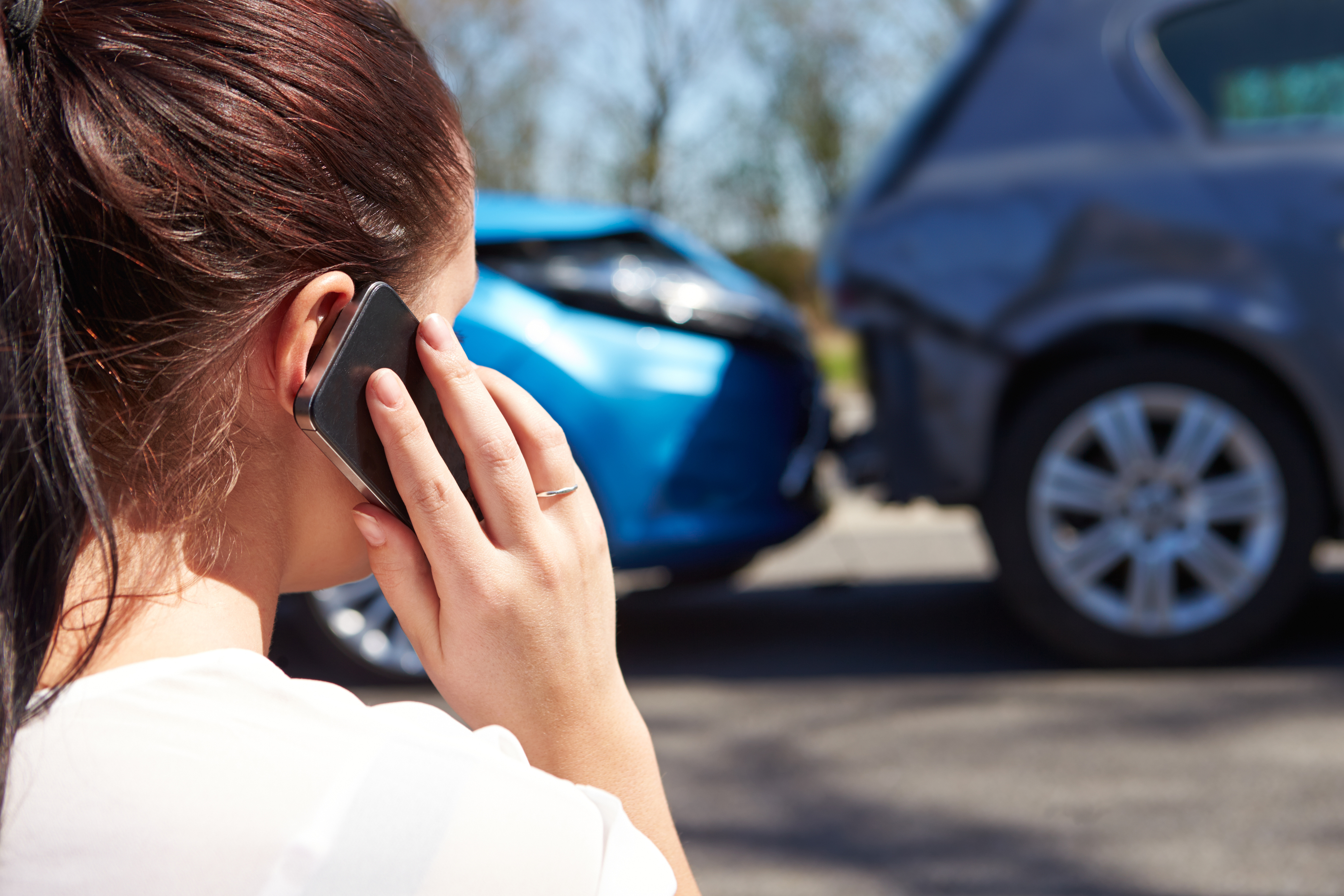

Every year, millions of Americans adjust their clocks to “fall back” or “spring forward” as part of daylight savings time (DST). While this tradition may seem like just another routine adjustment, it can have serious consequences for road safety. Studies suggest that the time change has a tangible impact on our bodies, our driving, and, unfortunately, our likelihood of being involved in car accidents.
If you've been injured in a crash, understanding how daylight savings time changes affect drivers could help you stay safer and make sense of what steps to take if the unthinkable happens.
How Daylight Savings Affects Drivers
The time change may only shift the clock by one hour, but it has a surprising ripple effect on our habits, health, and roadways. Here are some key factors that link daylight savings time to increased car accidents:
1. Disrupted Sleep Patterns
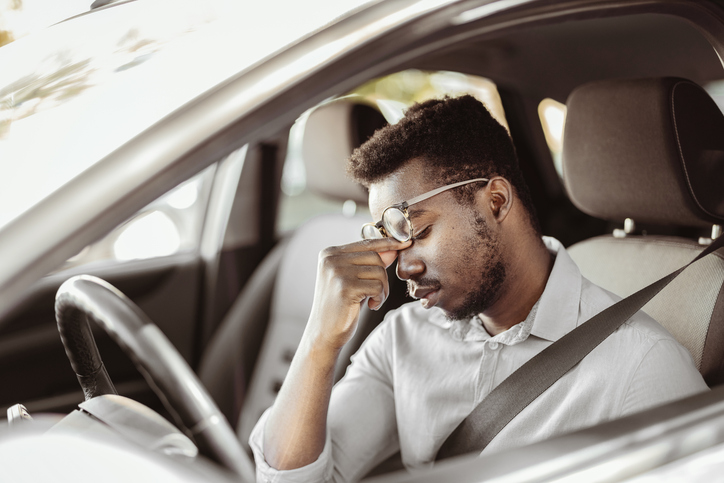
The switch between standard time and daylight savings time affects sleep cycles, especially when we “spring forward” in March and lose an hour of rest. Sleep deprivation slows reaction times, impairs judgment, and increases drowsy driving even by as little as one hour. The National Safety Council reports that drowsy driving can be as dangerous as driving under the influence of alcohol, with a significant increase in crash risks after the time change.
Even during the “fall back” period in November, when people get an extra hour of rest, studies show that the added disruption to sleep schedules throws off circadian rhythms. A tired driver—even one who doesn’t feel sleepy—is more likely to make dangerous mistakes behind the wheel.
2. Visibility Challenges
The time change alters when we see daylight, which can create visibility challenges, especially during peak commuting hours. After clocks are set back in November, evening rush hour begins in near-darkness. The sudden shift forces drivers to quickly adjust to lower visibility during a time of high traffic volume. Pedestrians and cyclists also become harder to spot, increasing the risk of accidents.
Morning visibility can also be affected in areas where the sun rises during peak travel hours. Glare from the rising sun creates temporary blind spots for drivers, making it even harder to see traffic signals, other vehicles, or pedestrians.
3. Changes in Traffic Patterns
Because daylight savings time changes influence the natural patterns of light and dark, they can affect when people decide to be on the road. Morning commuters may initially find themselves on less congested roads, while evening traffic may grow worse due to earlier darkness. These changes in traffic density can lead to sharp spikes in accidents, as drivers may misjudge road conditions or face new patterns they aren’t used to navigating.
4. Driver Alertness and Behavior
During daylight savings time, not just the physical clocks are thrown off; our internal “body clocks” are also disrupted. This can lead to slower decision-making, delayed reactions, and an overall decrease in alertness. Combined with seasonal increases in traffic caused by holiday shopping, gatherings, or travel, this lack of alertness can significantly raise accident risks.
Tips for Staying Safe During Daylight Savings Time Changes
While you can’t turn back time to prevent accidents from happening, there are specific steps you can take to protect yourself and others on the road:
- Prioritize Sleep: Using good sleep hygiene practices leading up to the time change. Go to bed earlier to ensure you're getting enough rest, especially if you're adjusting to “springing forward.”
- Plan Extra Travel Time: Rushing contributes to poor decision-making and reckless driving. Leave earlier than usual to account for increased traffic and reduced visibility.
- Check Your Vision: Make sure your windshield is clean and free of smears that could cause glare. Keep your headlights, mirrors, and glasses clean and in good condition.
- Use Defensive Driving: Be extra cautious during peak hours. Follow at a safe distance, slow down in low-visibility conditions, and never assume other drivers can see you clearly.
- Limit Night Driving: If possible, avoid driving in the evening immediately after a time shift, especially if it’s dark and you’re not feeling alert.
- Watch for Pedestrians and Cyclists: They’re just as affected by the time change as drivers. Pay extra attention to crosswalks and residential areas.
What to Do If You’re in a Car Accident
If the worst happens and you’re involved in an accident after a daylight savings time change, knowing what to do can protect your legal rights and help you seek compensation for your injuries. Here are the key steps to follow:
1. Check for Injuries and Seek Medical Help
Your health should come first. Even if you feel fine in the moment, adrenaline can mask injuries. Visit a doctor as soon as possible to ensure there are no hidden issues, like whiplash or internal injuries that could worsen over time.
2. Call the Police
A police report is a critical piece of evidence for your case. Be sure to provide the officer with as much information as possible, including what time the accident occurred and the road conditions.
3. Document the Scene
Take photos or videos of the crash site, including vehicle damage, skid marks, debris, and any nearby traffic signs. Consider documenting lighting conditions as well, since visibility can be a factor in accidents after a time change.
4. Exchange Information
Get the other driver(s) 's contact and insurance details. Gather their contact information and any statements they’re willing to provide if there are witnesses.
5. Notify Your Insurance Company
File a claim with your insurance provider as soon as possible. Be honest and specific when describing the accident, but avoid admitting fault.
6. Consult a Personal Injury Attorney
Navigating the legal process after a car accident can be overwhelming, especially if you’re recovering from injuries. An experienced personal injury attorney understands Florida’s laws and can help you build a strong case. They’ll work to prove negligence, negotiate with insurance companies, and ensure you’re compensated for your medical bills, lost wages, and other damages.
7. Don’t Delay
Florida law gives you four years from the date of the accident to file a personal injury lawsuit, but acting sooner is always better. Evidence can be lost over time, and witnesses’ memories may fade. Starting early strengthens your case and helps you get the resolution you deserve faster.
Clearwater Car Accident Lawyer
As we’ve explored the multifaceted impacts of Daylight Savings Time on driver fatigue and broader traffic safety concerns, it’s clear that these temporal changes are far from trivial. If you've found this information valuable and are considering the legal implications of a fatigue-related accident, Perenich, Caulfield, Avril & Noyes Personal Injury Lawyers are here to help. Based in the vibrant city of St. Petersburg, FL, our team of skilled attorneys is dedicated to providing expert guidance and support. Whether you’re looking for advice or need representation, we're just a call away to assist you with all your personal injury needs. Contact us today at (727) 591-3354 to get started.