

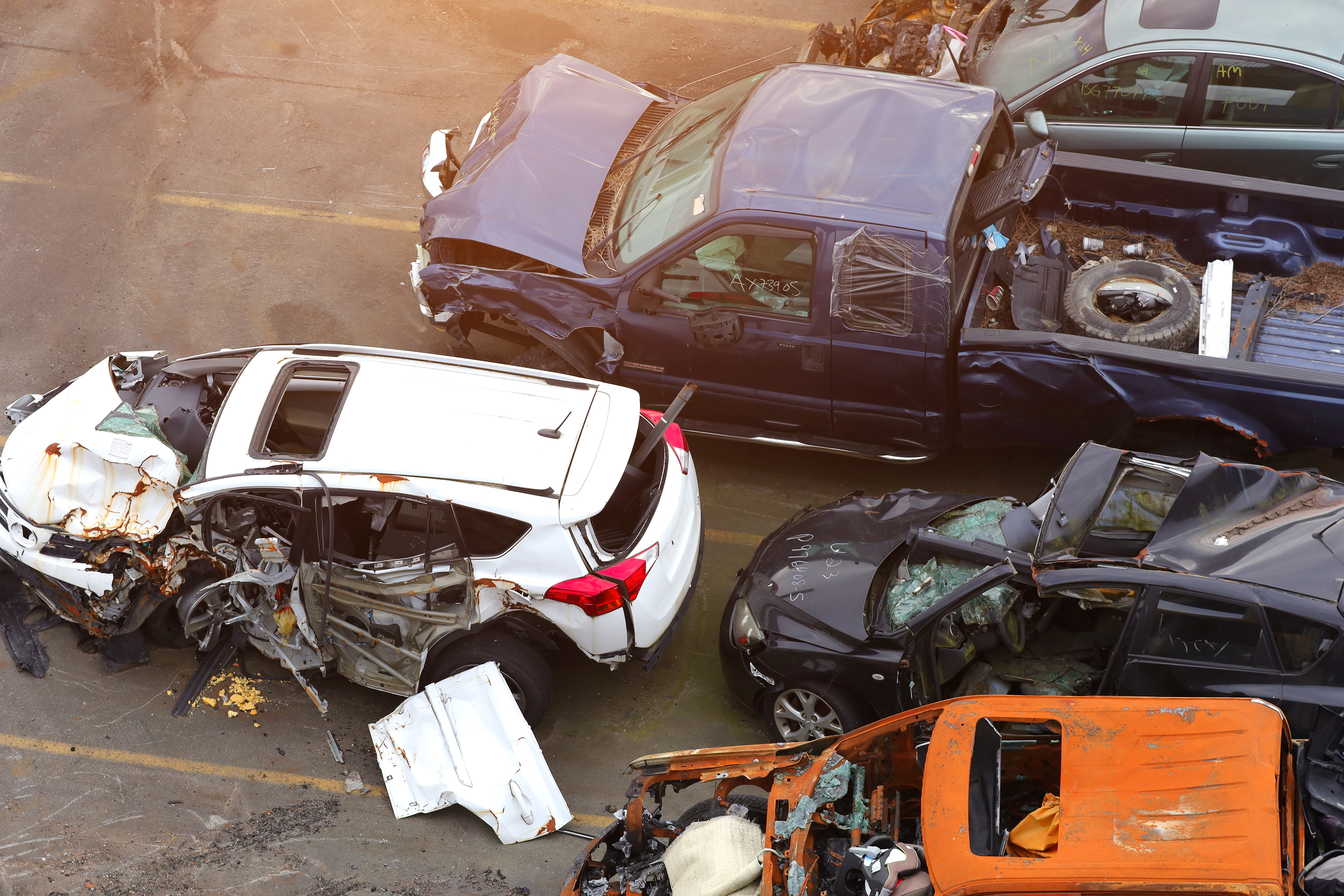
Multi-vehicle accidents are among the most complicated types of traffic collisions. Unlike a crash involving only two vehicles, these incidents often involve several drivers, conflicting accounts, and multiple insurance companies trying to determine who was responsible. Whether the collision begins with one careless driver or a chain reaction involving several vehicles, identifying liability is rarely simple.
Florida law provides a framework for determining fault, but every case depends on its own unique facts. Understanding how liability is evaluated can help injured drivers and passengers better understand the legal process after a serious crash.
Why Multi-Vehicle Accidents Are More Complex Than Other Crashes
A multi-vehicle accident can occur on busy highways, congested intersections, or local roads. Heavy traffic, sudden braking, distracted driving, speeding, and poor weather conditions can all contribute to collisions involving several vehicles.
In many situations, the first impact sets off a chain reaction. One vehicle may strike another, causing additional vehicles behind it to collide. In other cases, several drivers may make separate mistakes within seconds of one another, creating multiple points of impact.
Because several people may contribute to the collision, determining who is legally responsible often requires a detailed review of the events leading up to the crash.
What Evidence Helps Establish Liability?
Florida courts and insurance companies rely on many different forms of evidence when evaluating liability in a multi-vehicle accident. No single piece of evidence automatically determines fault. Instead, investigators often examine the complete picture.
Important evidence may include:
- Police crash reports
- Photographs of the accident scene
- Vehicle damage patterns
- Dash camera footage
- Traffic camera recordings
- Witness statements
- Cell phone records when distracted driving is suspected
- Vehicle event data recorders
- Accident reconstruction analysis
- Medical documentation showing the nature of injuries
Physical evidence can often reveal how the collision unfolded. For example, skid marks, debris fields, and the location of each vehicle after the crash may help investigators understand the sequence of impacts.
Witnesses who observed the collision may also provide valuable information, particularly when drivers offer conflicting versions of events.
Comparative Fault Can Affect Liability
Florida follows a modified comparative negligence system. This means that more than one person can share responsibility for causing an accident.
For example, one driver may have been speeding while another failed to maintain a safe following distance. If both actions contributed to the collision, liability may be divided between them.
Each driver’s actions are evaluated individually. Courts consider whether a driver’s conduct contributed to the crash and, if so, to what extent.
Because multiple parties may share responsibility, determining liability often requires careful investigation rather than assigning blame to a single individual.
The Role of Accident Reconstruction Experts
In particularly complex collisions, accident reconstruction experts may be brought in to analyze the available evidence.
These professionals examine factors such as:
- Vehicle speed
- Impact angles
- Road conditions
- Braking distances
- Vehicle movement after impact
- Damage to each vehicle
Using scientific methods and engineering principles, reconstruction experts may help explain how the crash occurred when the available evidence is disputed.
Their findings can provide valuable insight in cases involving numerous vehicles or conflicting witness testimony.
Insurance Companies May Reach Different Conclusions
One challenge after a multi-vehicle accident is that several insurance companies may become involved. Each insurer conducts its own investigation while attempting to minimize its financial exposure.
As a result, different insurance carriers may reach different conclusions about who bears responsibility.
One insurer may argue that another driver’s negligence caused the collision, while another company may claim multiple drivers contributed to the accident.
Because of these competing interests, injured individuals should understand that insurance investigations are not always straightforward.
Common Factors That May Contribute to Multi-Vehicle Collisions
Every accident is unique, but several driving behaviors commonly appear in chain-reaction crashes.
These include:
- Distracted driving
- Following too closely
- Speeding
- Unsafe lane changes
- Driving while fatigued
- Failure to yield
- Impaired driving
- Poor visibility during severe weather
Even when weather conditions contribute to an accident, drivers are generally expected to adjust their speed and driving behavior to account for changing road conditions.
Why Documentation Matters After a Collision
The steps taken immediately after a multi-vehicle accident may become important later if liability is disputed.
Seeking medical attention promptly helps document injuries and ensures that potentially serious conditions are evaluated.
If it is safe to do so, photographs of vehicle damage, road conditions, traffic signals, and surrounding areas may also help preserve evidence.
Keeping records of medical treatment, repair estimates, insurance communications, and other documentation can provide valuable information throughout the claims process.
Every Multi-Vehicle Accident Requires a Careful Evaluation
No two multi-vehicle accidents are exactly alike. Some involve one negligent driver who triggers a chain reaction, while others involve several drivers whose actions collectively contribute to the collision.
Determining liability requires examining the available evidence, reviewing witness accounts, evaluating physical damage, and understanding how Florida law applies to the circumstances of the case.
Because multiple parties and insurance companies may become involved, these cases often require significantly more investigation than a typical two-vehicle collision.
Understanding how liability is determined can help injured individuals make informed decisions as they move forward after a serious accident.
Contact Perenich, Caulfield, Avril & Noyes Personal Injury Lawyers After a Multi-Vehicle Accident
If you were injured in a multi-vehicle accident in Florida, understanding your legal rights is an important step toward moving forward. Every collision presents unique circumstances, and determining liability often requires a thorough review of the available evidence.
The team at Perenich, Caulfield, Avril & Noyes Personal Injury Lawyers is committed to helping injured individuals understand their options after serious motor vehicle accidents. If you have questions about your situation or would like to discuss your case, contact Perenich, Caulfield, Avril & Noyes Personal Injury Lawyers today at (727) 591-3354 to schedule a consultation.