
Navigating the Post‐Holiday Traffic Surge
The holiday season brings heavy traffic, road-trip fatigue, and crowded parking lots — but once the celebrations wind down and the decorations begin to come down, another challenge emerges: navigating the aftermath on busy roadways such as Interstate 275 (I-275) and other major Tampa routes. At Perenich, Caulfield, Avril & Noyes Personal Injury Lawyers, we understand the importance of keeping drivers alert and protected as the holiday rush gives way to everyday commuting. Here are practical steps to help you stay safe behind the wheel.
First, recognize that after the holidays, many drivers are returning from trips, navigating unfamiliar routes, or dealing with additional tasks such as vehicle check-ups or errands. This means more potential distractions and a higher likelihood of congestion on highways such as I-275, US-19, SR-60, and other busy corridors in the Tampa Bay area. When you’re sharing the road under these conditions, being proactive is key.
Safety Tips for Heavy Traffic Conditions
1. Plan your route ahead of time. Before you climb into your vehicle, check your route for construction, accidents, or detours — especially common on routes such as I-275. Use a traffic app or GPS with live updates to avoid surprises. Knowing where congestion is likely to occur helps you adjust your timing or take an alternate path.
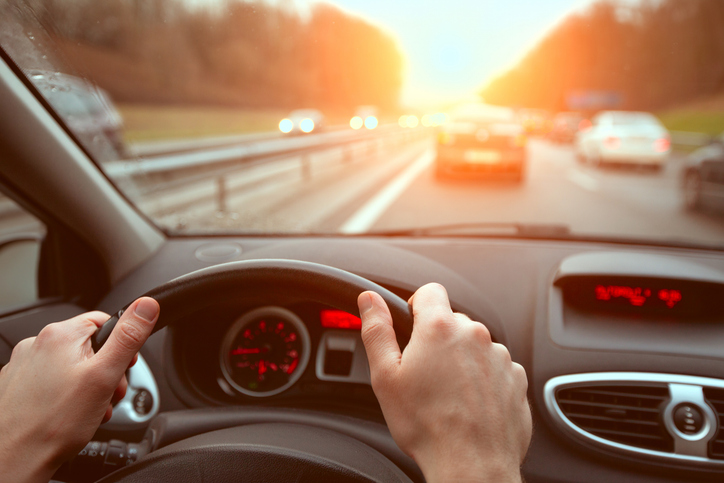
2. Maintain focus—ditch the distractions. After the holidays, it’s easy to become complacent or mentally drift. Whether you’re thinking about errands, finances, or upcoming work, the moment your mind wanders, risk increases. Don’t reach for your phone, set up navigation, or fiddle with the radio while driving. Use voice controls, pull over if needed, and keep both hands on the wheel.
3. Give yourself space—and patience. Heavy traffic often means sudden stops and starts. On I-275 and similar routes, tailgating can swiftly become a crash. Leave at least a three-second gap between you and the vehicle ahead—and if conditions are slick or visibility is low, extend that to five to six seconds. Avoid rushing; the extra few minutes are worth it.
4. Adjust to varied driver behaviors. Post-holiday driving often means some motorists are tired, impatient, or unfamiliar with local roadways. Expect erratic lane changes, slow drivers in fast lanes, or last-minute merges. Stay calm, signal early, and don’t assume others will behave predictably.
5. Stay visible—and predictable. Use your signals, maintain consistent speed, and don’t weave between lanes. On busy highways, unpredictability can trigger chain-reaction collisions. If you need to exit, merge early rather than making sudden moves. Ensure that your lights (headlights, brake lights, and turn signals) are all fully operational.
6. Be weather-aware. Even in Florida, the weather can affect highway driving. Rain, glare, or debris from holiday clean-up can make conditions tricky. Slow down when the road is wet, use headlights for visibility, and watch for hazards like potholes, lane shifts, or spilled cargo from holiday hauling.
7. Post-accident preparedness. Unfortunately, despite best efforts, accidents can still happen. On busy stretches like I-275, your priority is safety — move vehicles out of lanes if possible, turn on hazard lights, and call for help. Then document the scene if you’re able (photos, notes, witness names) and notify a qualified attorney.
At Perenich, Caulfield, Avril & Noyes Personal Injury Lawyers, we’ve spent decades helping individuals injured in auto accidents on Tampa roads. We know how quickly a commute can turn into a legal challenge — and we’re here to guide you when the unexpected strikes.
Clearwater Car Accident Lawyer
If you’ve been in a collision on I-275 or any other Tampa-Bay area roadway, don’t wait. Contact our experienced personal injury team today for a free consultation. Let us protect your rights, assess your case, and help you pursue the full compensation you deserve. Call Perenich, Caulfield, Avril & Noyes Personal Injury Lawyers now at (727) 591-3354 — you don’t face the aftermath of an accident alone.